

Running a business is exciting, but it comes with its fair share of challenges. One of the biggest hurdles? Keeping your finances in order. I get it – you want to focus on growing your business, not drowning in receipts and spreadsheets. That’s why tailored small business bookkeeping solutions are a game-changer. They help you stay organized, save time, and make smarter decisions without the stress.
Let’s dive into how you can find bookkeeping solutions that fit your unique needs and keep your business finances clean and clear.
Why Business Bookkeeping Solutions Matter
Bookkeeping is more than just tracking numbers. It’s the foundation of your business’s financial health. When your books are accurate and up-to-date, you can:
- Understand your cash flow so you know exactly where your money is going.
- Prepare for tax season without last-minute panic.
- Make informed decisions about hiring, inventory, and investments.
- Avoid costly mistakes like missed deductions or late payments.
But here’s the catch: not all bookkeeping solutions are created equal. What works for a large corporation won’t necessarily work for your small business. You need solutions tailored to your size, industry, and growth stage.
For example, a local bakery might need simple daily sales tracking and inventory management, while a freelance graphic designer might focus on tracking expenses and client invoices. Tailored bookkeeping solutions meet you where you are and grow with you.

How to Choose the Right Business Bookkeeping Solutions
Choosing bookkeeping solutions can feel overwhelming, but breaking it down step-by-step makes it manageable. Here’s how I recommend approaching it:
- Assess Your Needs
- Consider Your Budget
- Look for Flexibility
- Evaluate Technology
- Check for Expertise and Support
By following these steps, you’ll find bookkeeping solutions that fit your business like a glove.
What are the 4 types of bookkeeping?
Understanding the different types of bookkeeping can help you decide which approach suits your business best. Here are the four main types:
- Single-Entry Bookkeeping
- Double-Entry Bookkeeping
- Manual Bookkeeping
- Computerized Bookkeeping
Choosing the right type depends on your business complexity and comfort with technology. For many, computerized double-entry bookkeeping strikes the perfect balance.
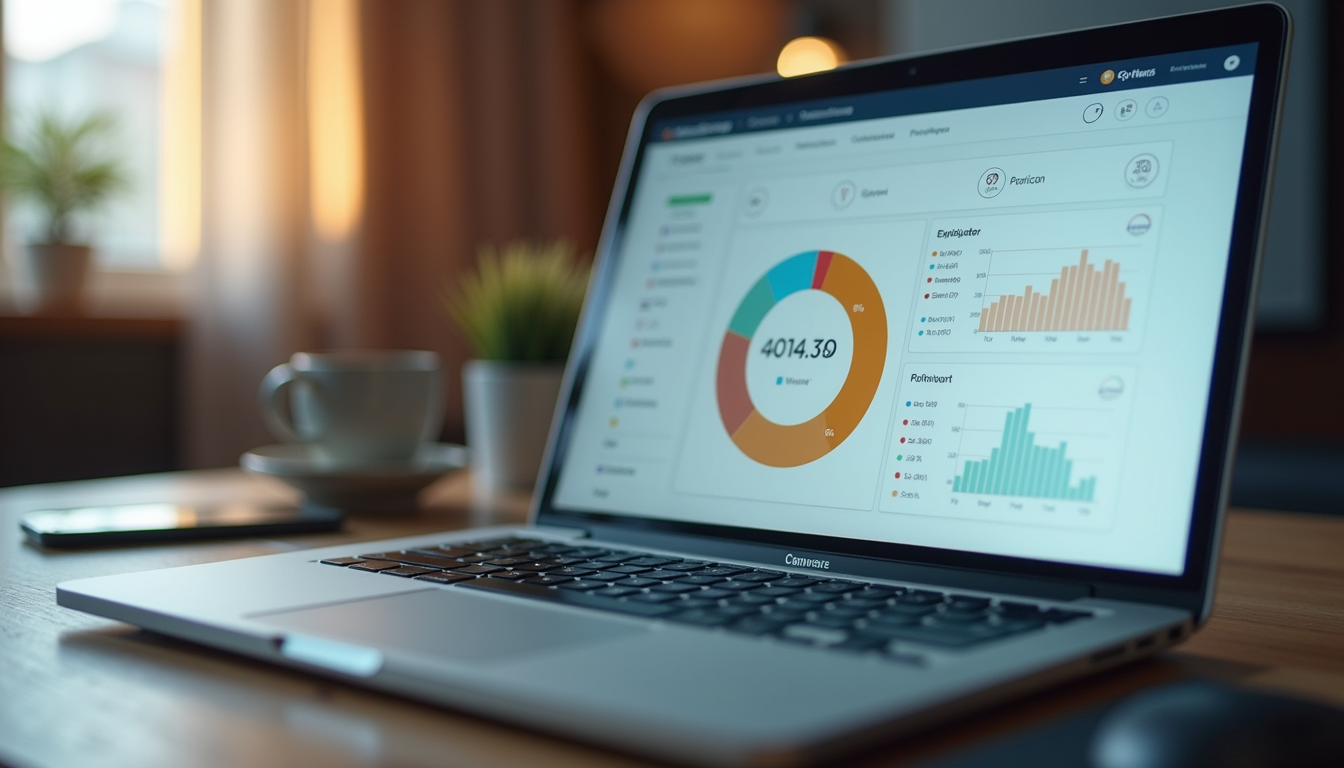
How Tailored Bookkeeping Solutions Save You Time and Stress
When your bookkeeping is tailored to your business, you get more than just organized numbers. You gain peace of mind and time to focus on what you love. Here’s how:
- Customized Reporting
Instead of generic reports, you get insights that matter to your business. Want to know your most profitable product or your monthly cash flow trends? Tailored solutions deliver exactly that.
- Regular Updates and Cleanups
No more scrambling at tax time. Your books stay accurate and organized all year round with scheduled cleanups and reconciliations.
- Proactive Advice
A good bookkeeper doesn’t just record transactions. They spot trends, flag potential issues, and suggest ways to improve your financial health.
- Integration with Your Workflow
Whether you prefer digital receipts, bank feeds, or manual entry, tailored solutions fit your style and tools.
- Access Anytime, Anywhere
Many tailored services use cloud technology, so you can check your financial status on the go.
If you’re ready to stop guessing where your money is going, consider exploring online bookkeeping services for small businessonline bookkeeping services for small business that offer personalized support and technology integration.
Steps to Implement Tailored Bookkeeping Solutions in Your Business
Getting started with tailored bookkeeping solutions is easier than you might think. Here’s a simple roadmap:
- Gather Your Financial Documents
- Choose Your Bookkeeping Method
- Select Software or Service
- Set Up Your Chart of Accounts
- Schedule Regular Bookkeeping Sessions
- Review Reports and Adjust
By following these steps, you’ll build a bookkeeping system that supports your business goals and reduces financial guesswork.
Building a Long-Term Partnership for Financial Clarity
Bookkeeping isn’t a one-time task; it’s an ongoing process. That’s why building a long-term relationship with a trusted bookkeeping partner is invaluable. When you work with someone who understands your business inside and out, you get:
- Consistent Accuracy
Your books stay clean and tax-ready, avoiding surprises.
- Time Savings
You spend less time chasing receipts and more time growing your business.
- Better Decision-Making
Reliable financial data helps you plan confidently for the future.
- Stress Reduction
Knowing your bookkeeping is handled frees you from financial anxiety.
Investing in tailored bookkeeping solutions is investing in your business’s success. It’s about creating clarity, consistency, and peace of mind so you can focus on what truly matters.
I hope this guide helps you see how tailored small business bookkeeping solutions can transform your financial management. Remember, clean and accurate books are the foundation for growth and confidence. If you’re ready to take the next step, explore options that fit your unique needs and watch your business thrive.